Description
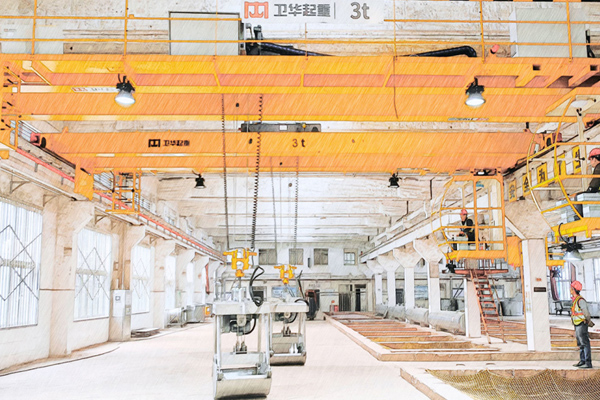
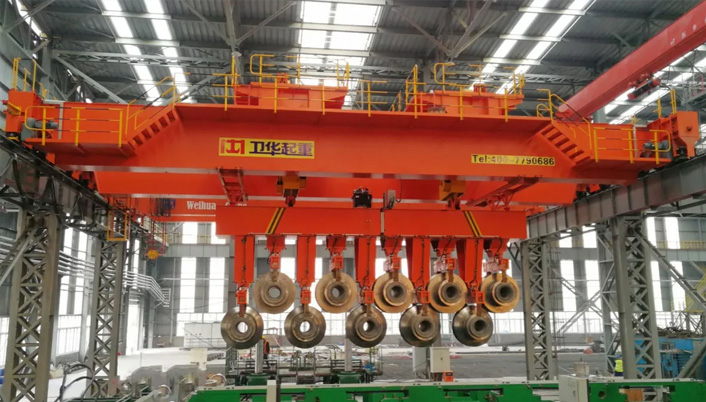
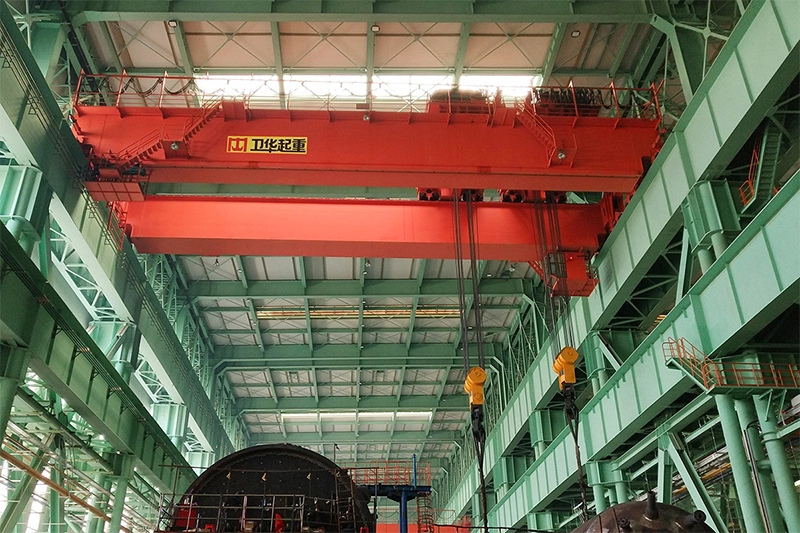
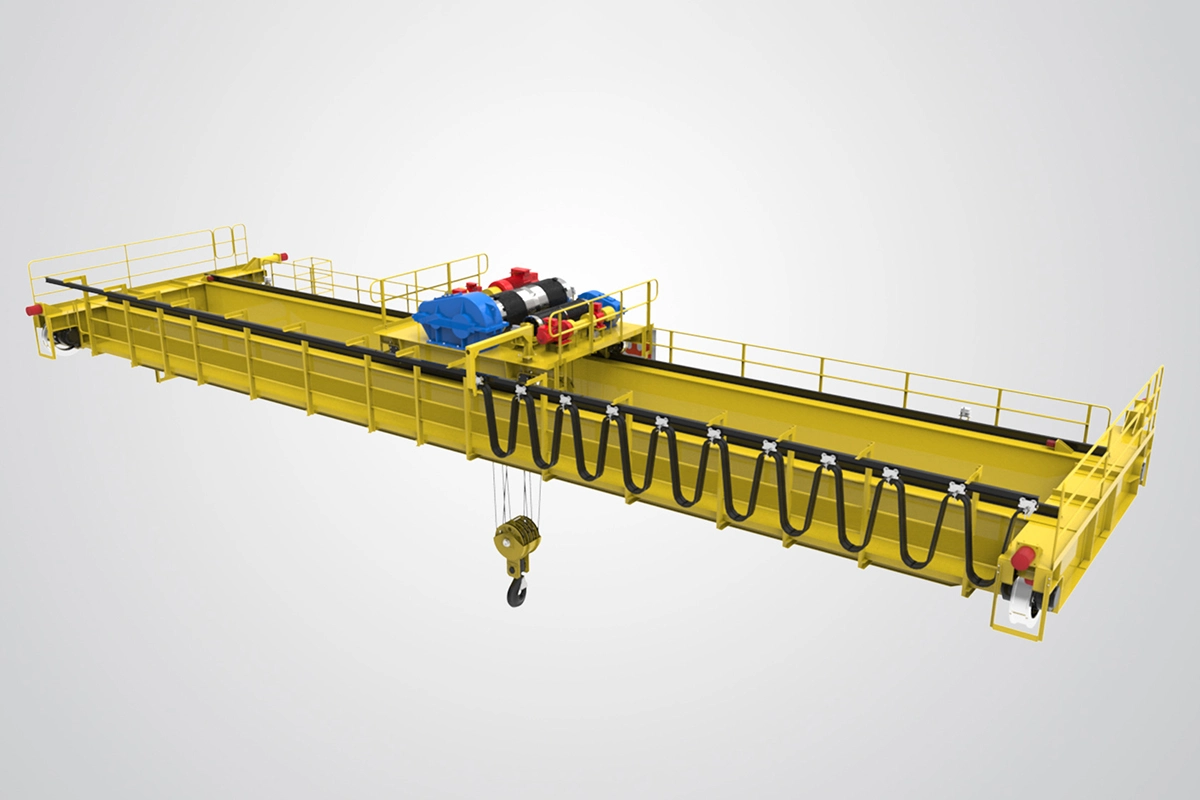
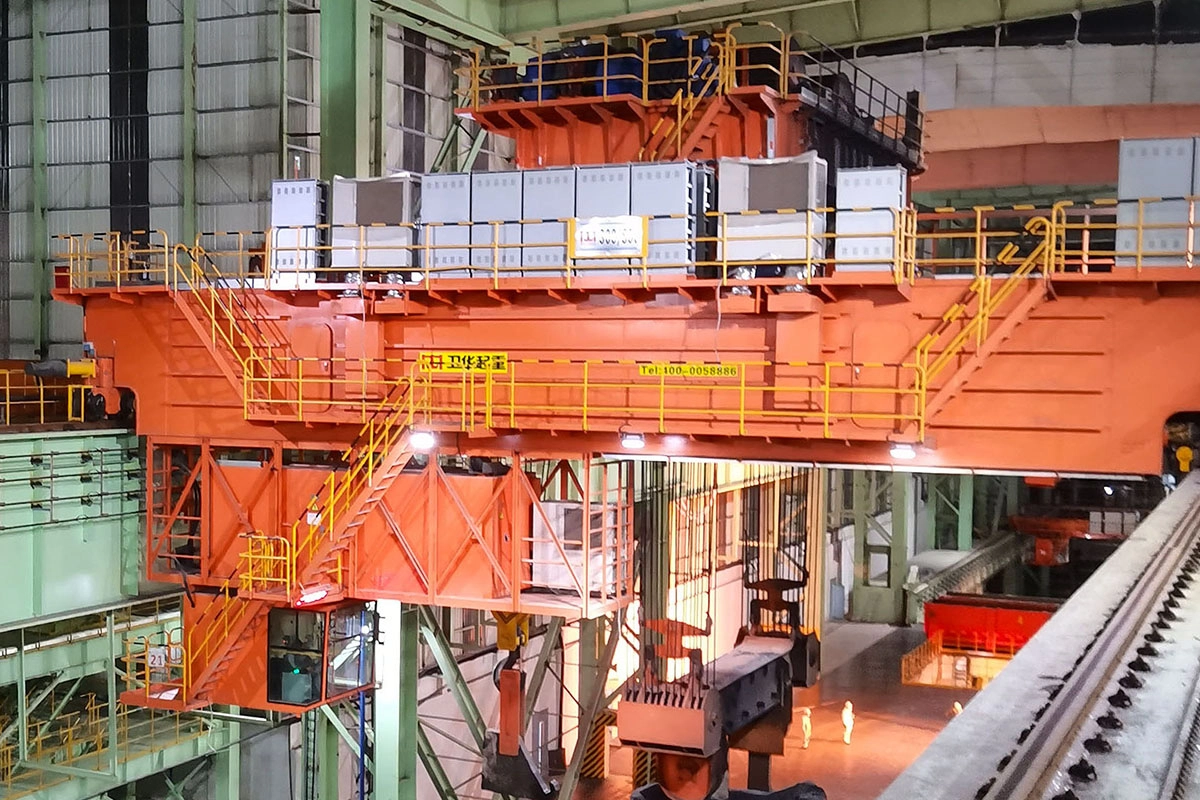
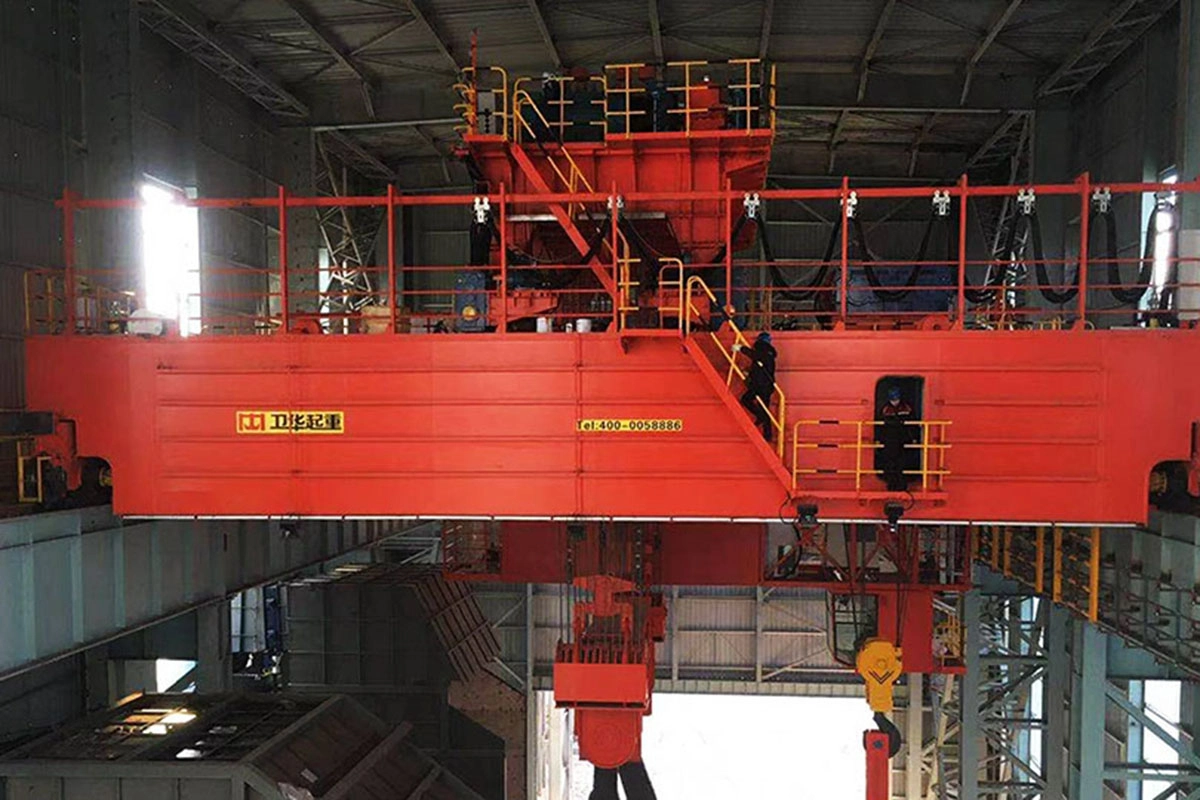
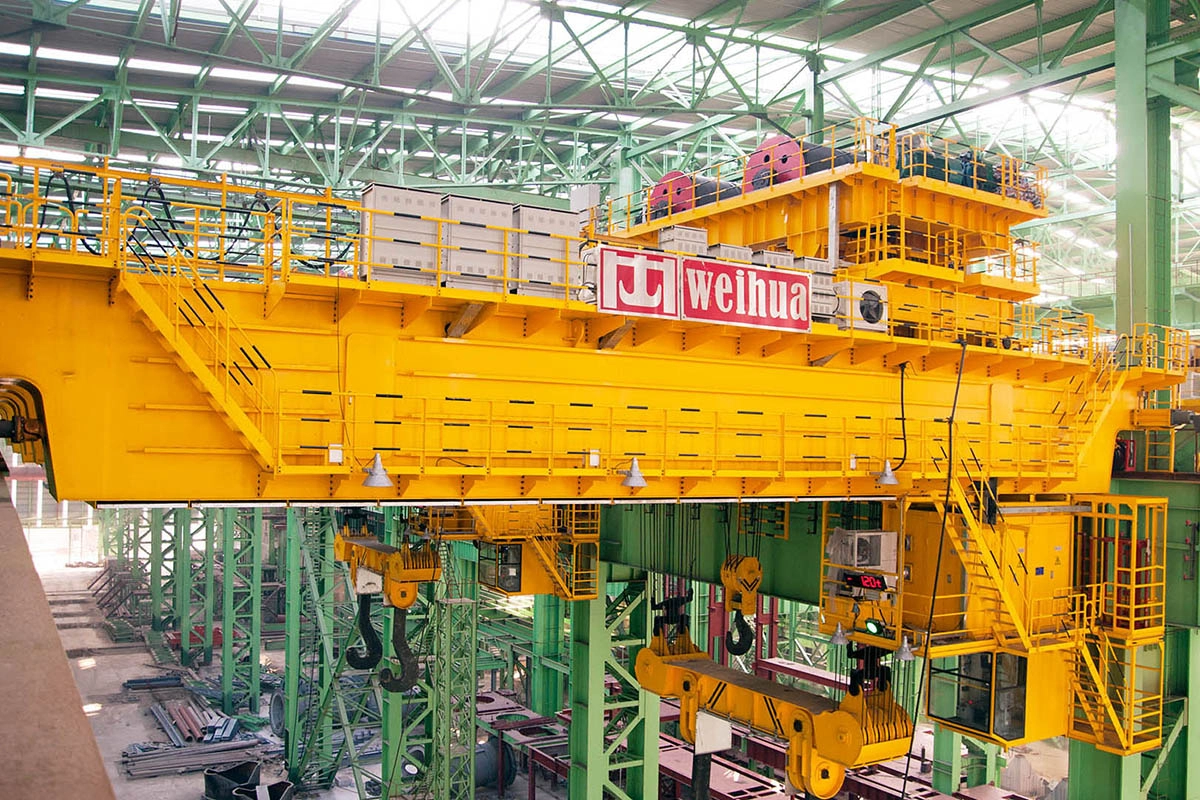
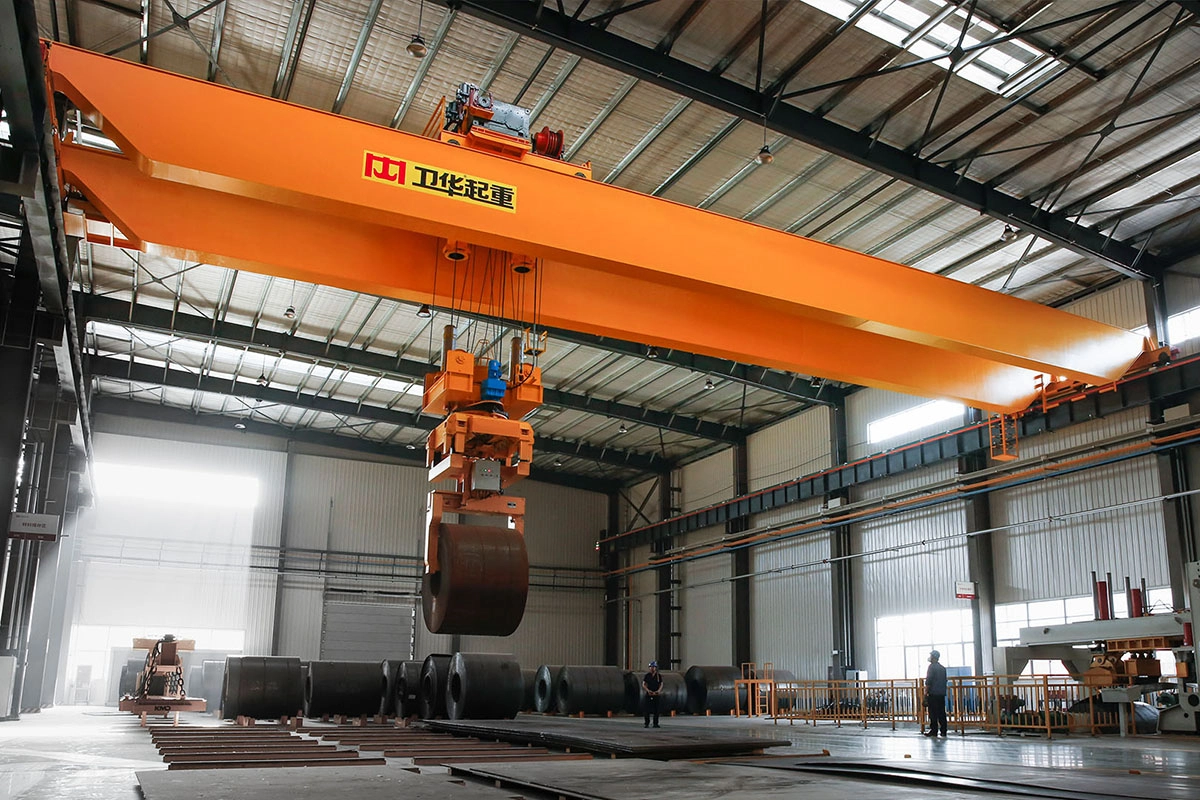
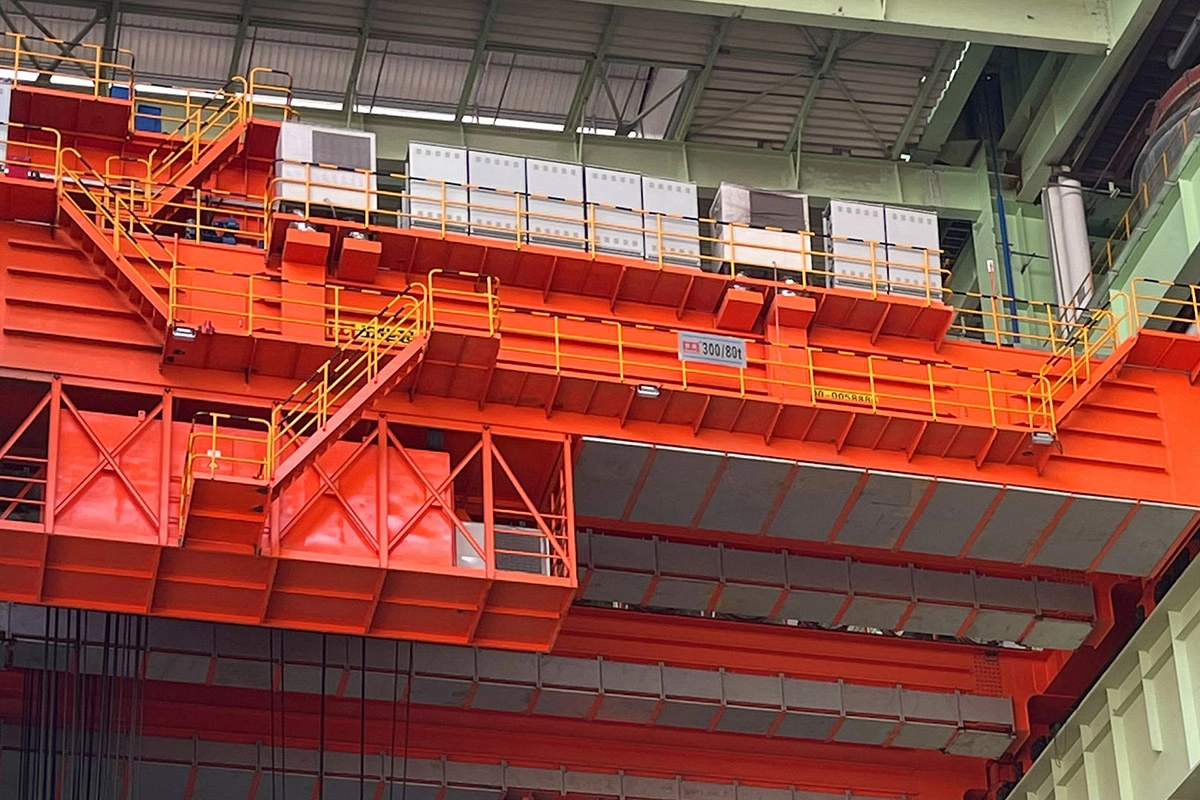
Weihua YZ-type foundry cranes are heavy-duty overhead traveling cranes purpose-built for molten metal handling in steelmaking shops, foundries, and continuous casting operations. The platform covers lifting capacities from 50 to 320 tons as standard, with customized configurations reaching 500 tons, spans typically ranging from 21 to 28 meters (up to 35 meters on request), and lifting heights of 24 to 32 meters to suit ladle dimensions and workshop layouts. Duty classes are rated A7 to A8, reflecting the continuous, high-risk cycles inherent to molten steel and iron transfer.
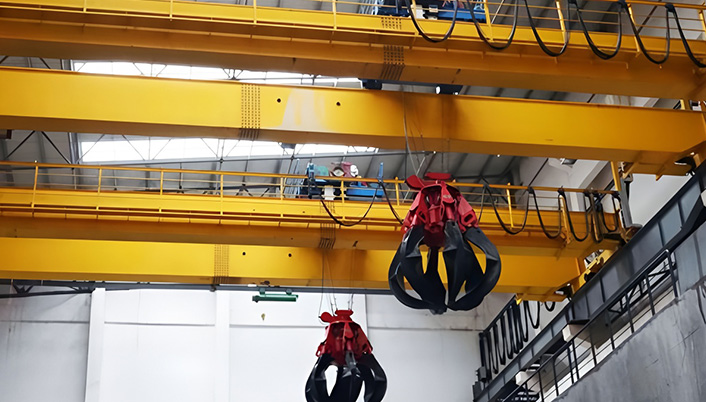
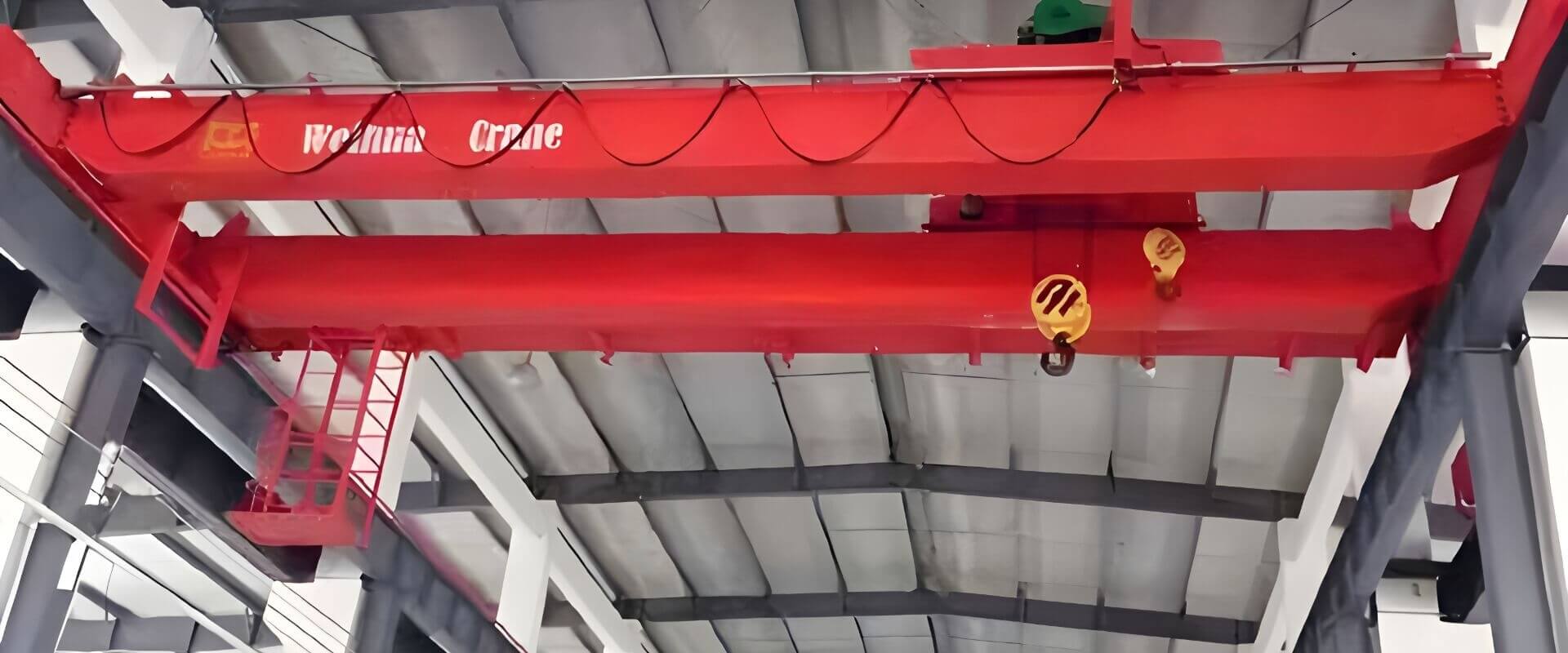
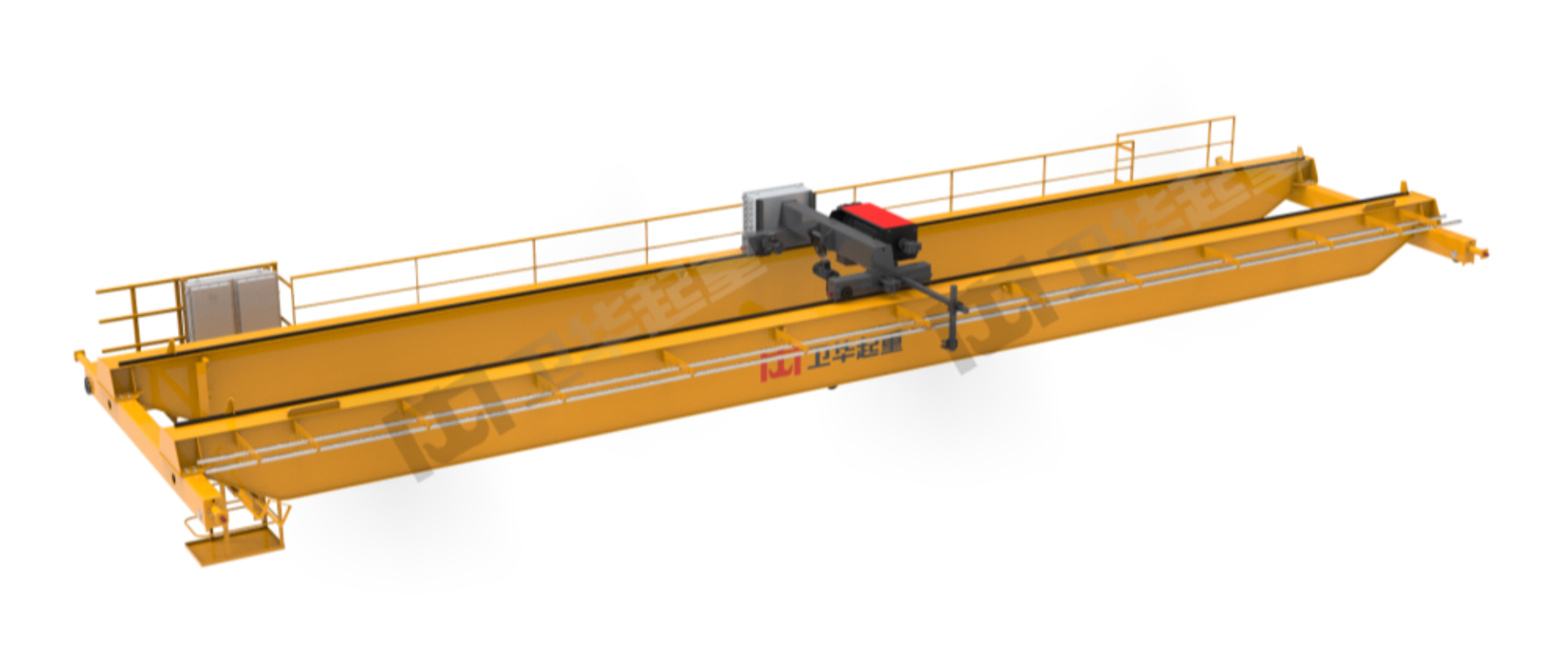
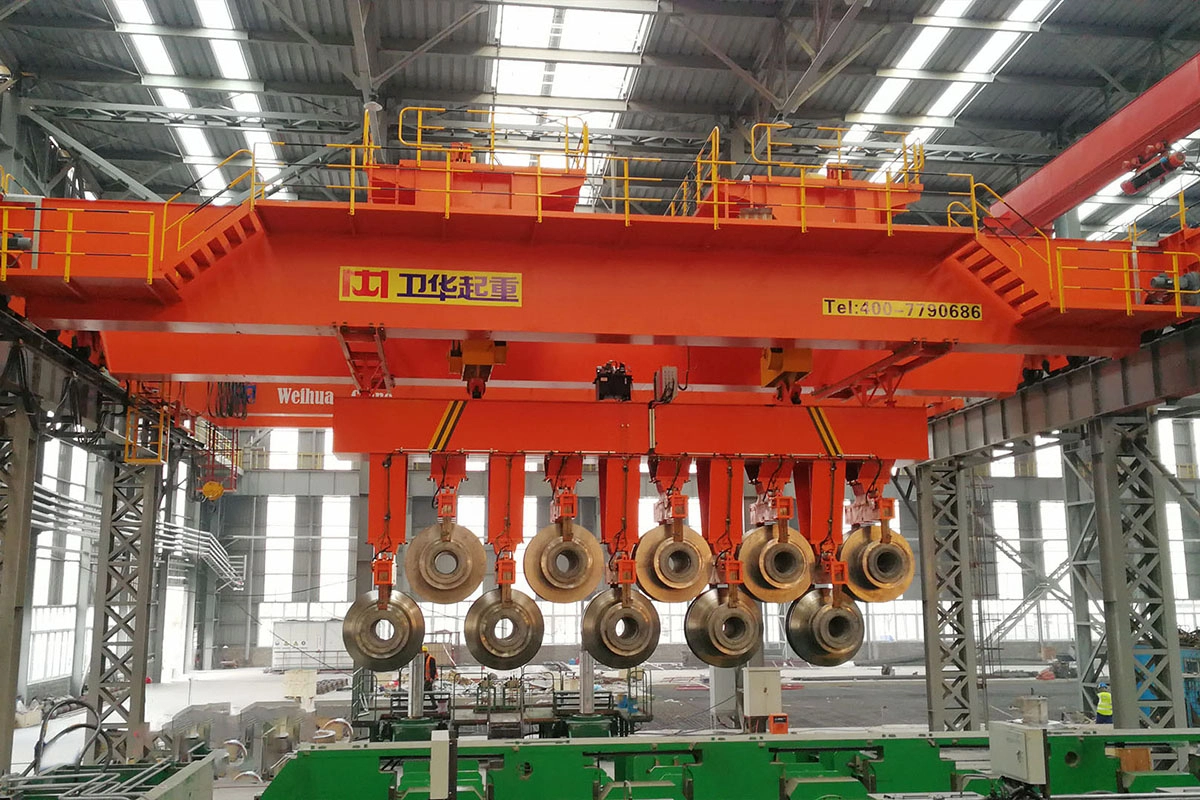
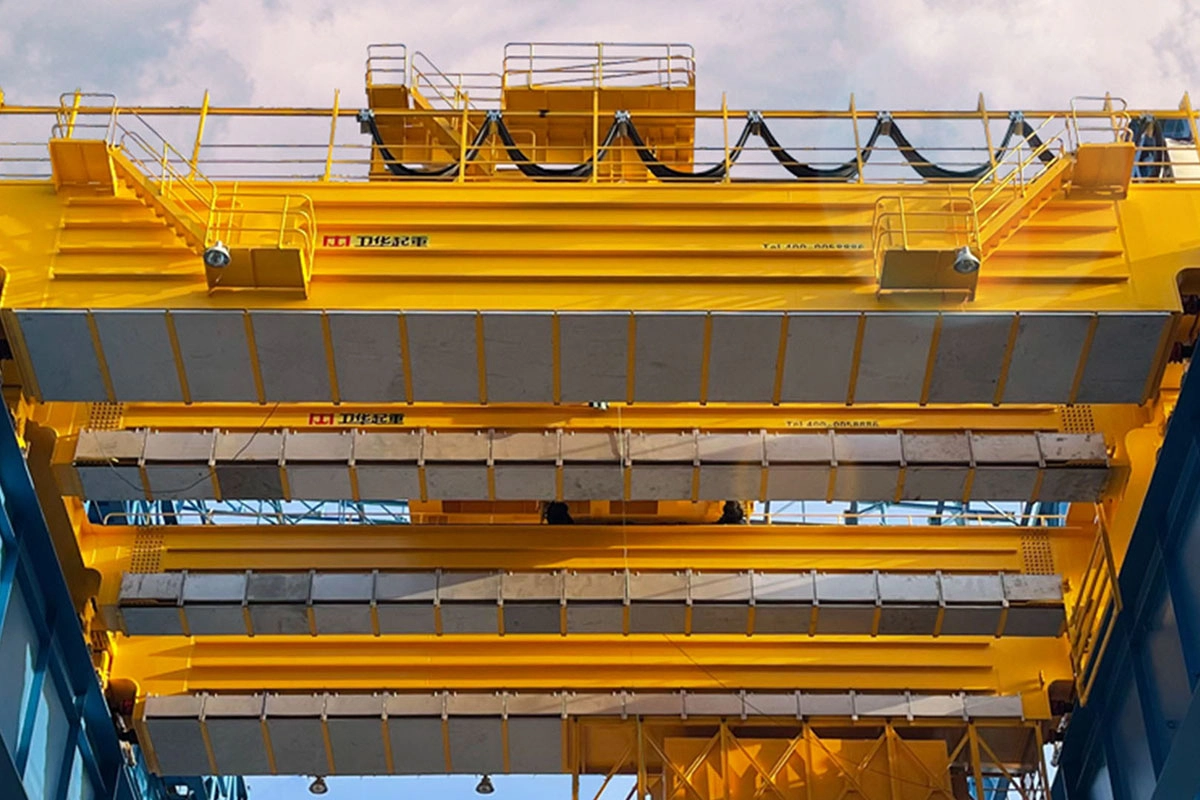
The structural and material design is reinforced specifically for radiant heat, dust, and heavy-impact conditions. Main girders and end beams use high-strength box-type fabrication to withstand ladle loads and operational shock, while hoisting mechanisms, wire ropes, hooks, and motors are supplied in metallurgical-grade specifications with thermal insulation and protective coatings to shield critical components from heat radiation. Structural configurations include double-girder, four-girder, and multi-rail arrangements, allowing the crane to be matched to different ladle sizes and bay layouts.
Safety and control systems follow a redundancy-first approach appropriate for molten metal. A metallurgical-grade dual-braking system, electrical interlock protection, and multiple redundant designs reduce the risk of load drops even under component failure. Variable frequency speed regulation supports smooth lifting and precise positioning, with cabin operation or wireless remote control available; real-time load monitoring (accuracy within ±0.5%) and CMS integration provide continuous visibility of ladle weight and equipment status. The cranes are configured to comply with FEM 9.511 A7/A8 and can be supplied with ISO 12485 and IEC 61508 SIL-2 safety alignment where required.
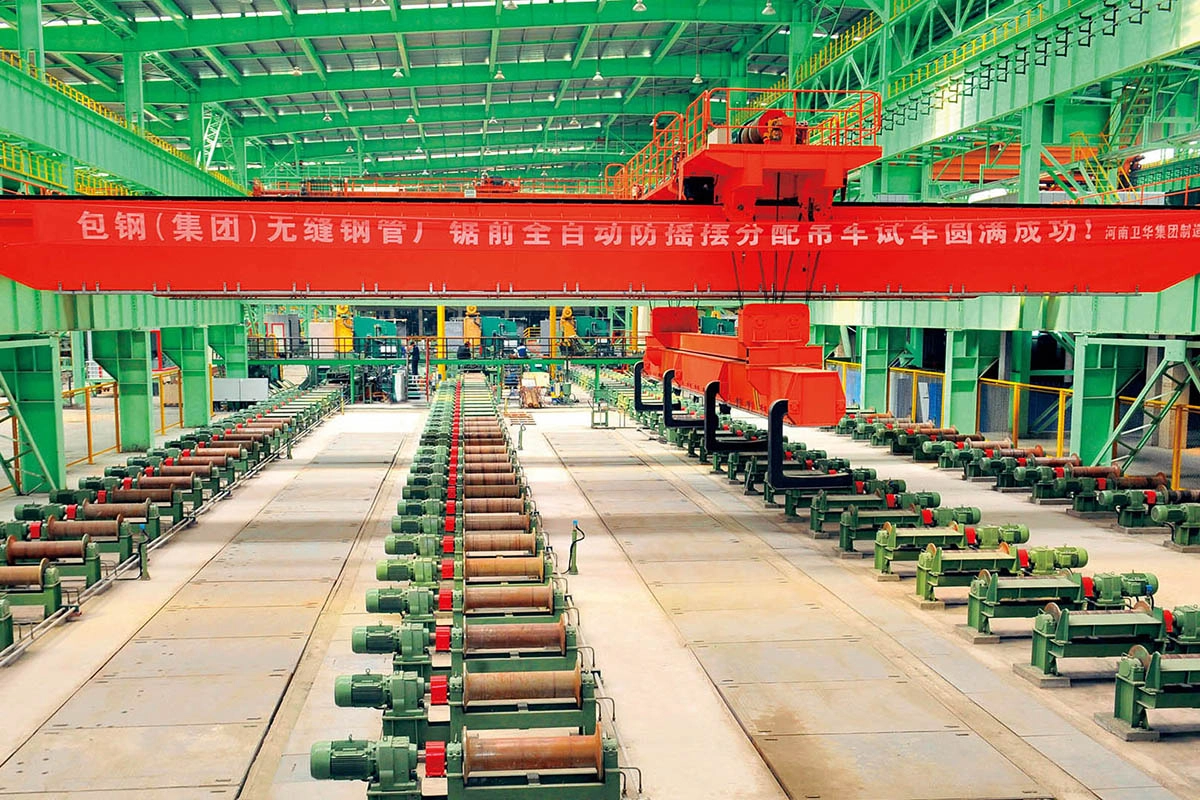
These cranes serve the core molten metal circuit: transferring ladles from electric arc furnaces, converters, or refining furnaces to continuous casting machines, ingot molds, or pouring stations; ladle tilting and precise positioning during teeming; and handling high-temperature charges, ingots, and heavy castings in foundry and steelmaking bays. Configurations are customized around ladle weight, span, lifting height, duty cycle, and control architecture, with rotatable lifting devices and adjustable gantry hooks available as options.
Specifications
| Lifting Capacity(t) | 200/50 | 225/65 | 240/80 | 280/65 | 320/80 | |
| Working Class | A7 | A7 | A7 | A7 | A7 | |
| Span(m) | 28 | 27 | 22 | 21 | 24.5 | |
| Lifting Height | Main hook | 26 | 32 | 25 | 24 | 28 |
| Auxiliary hook | 26 | 34 | 27 | 26 | 32 | |
| Speed | Main hook | 6 | 11 | 7 | 10 | 7.5 |
| Auxiliary hook | 10 | 11 | 9.6 | 12 | 10 | |
| Main Trolley | 41 | 41 | 35 | 30 | 29 | |
| Auxiliary Trolley | 38 | 39.5 | 38 | 39 | 39 | |
| Crane | 78 | 84 | 80 | 76 | 58 | |
| Max wheel load(kN) | 530 | 550 | 545 | 595 | 650 | |
| Steel track recommended | QU120 | |||||
| Power source | 3-Phase A.C. 380V 50Hz | |||||
Advantages
When purchasing a marine travel lift for sale, it is recommended to conduct a professional evaluation in the following four areas:
Excellent durability and stability
It is crafted from high-strength steel wire rope and top-quality alloy materials, and is integrated with a precision reduction mechanism. This ensures stable operation even under long-term heavy-load conditions, thereby significantly prolonging the service life of the equipment.
Efficient and energy-saving power system
It is equipped with a high-performance motor and an optimized transmission design, which leads to an improvement in the energy efficiency ratio by more than 20%. While guaranteeing robust power, it also reduces energy consumption, making it highly suitable for high-frequency continuous operation.
All-round safety protection
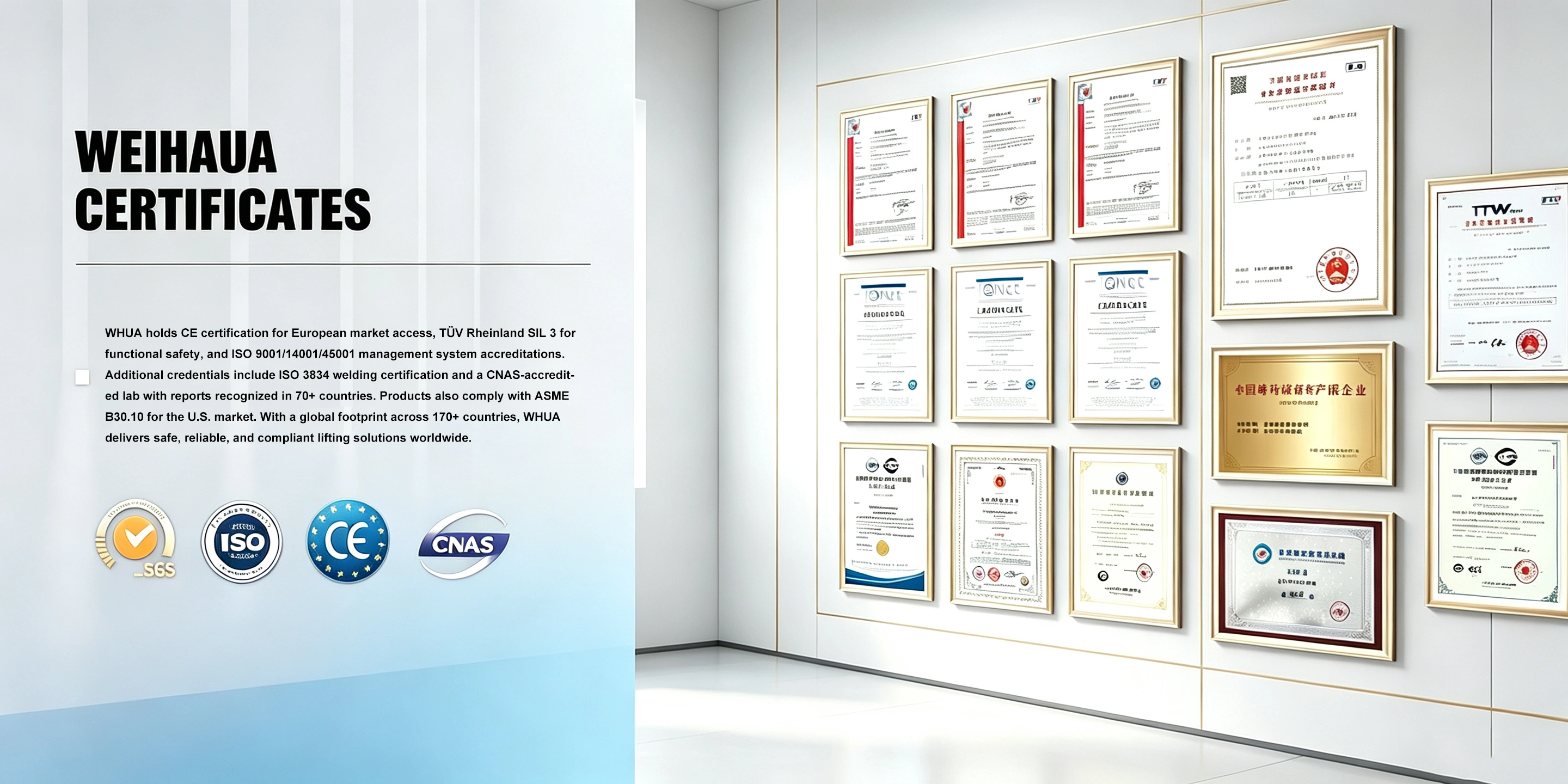
It incorporates integrated overload protection, a dual braking system, upper and lower limit switches, and an emergency power-off device. It has passed CE/ISO certification, completely eliminating safety risks such as overload and slip hook.
Flexible adaptability and intelligence
It supports functions like variable frequency speed regulation and wireless remote control. It can adapt to special environmental requirements such as explosion-proof and anti-corrosion. Moreover, it can be connected to the Internet of Things system to ac
Cases